Cloud vs On-Premise Custom ERP in 2026: Key Insights
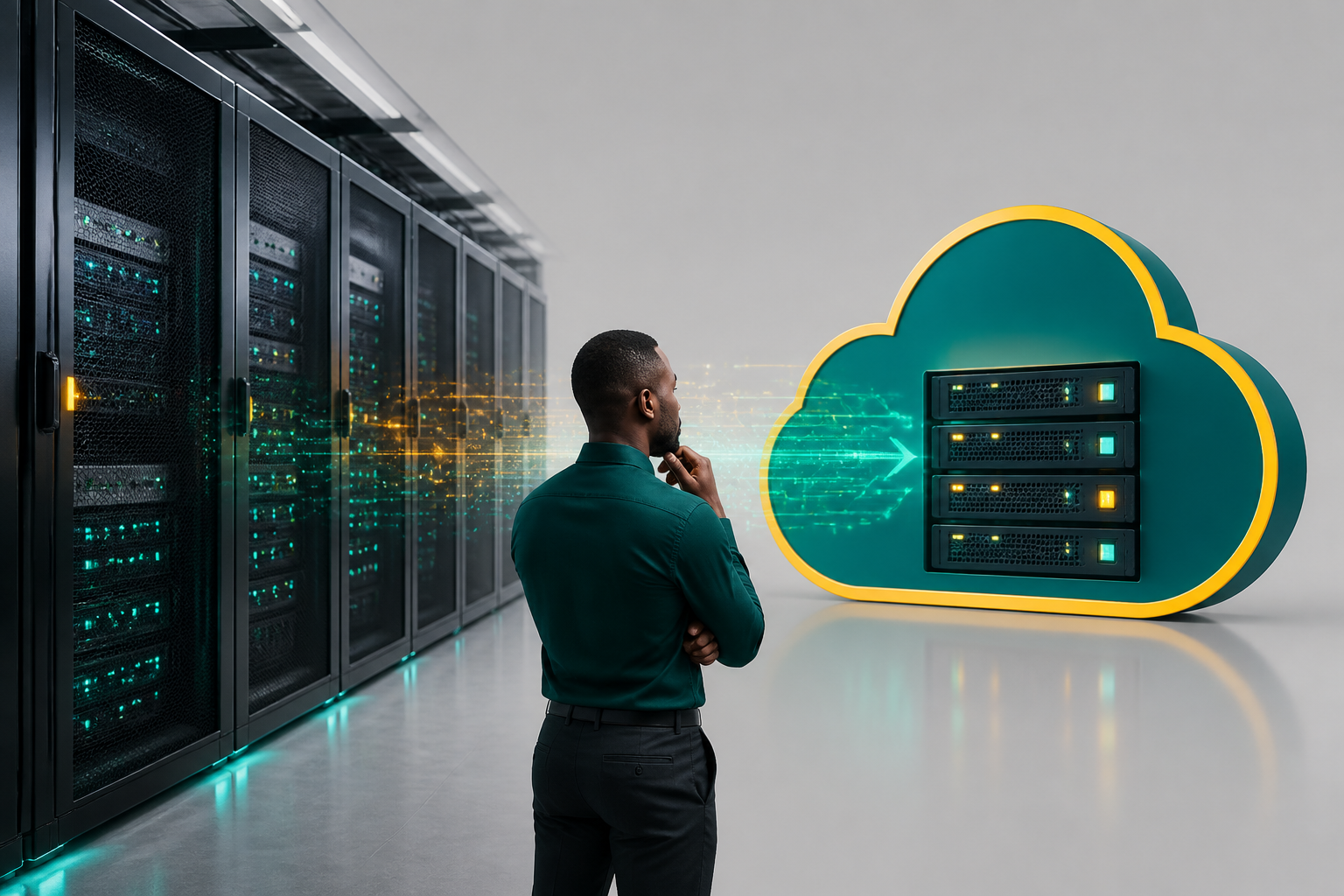
Cloud vs On-Premise ERP in 2026: Making the Right Choice for Your Business
Every business strives for growth and efficiency, yet the tools they choose often determine the level of success they can achieve. As we advance into 2026, a key question emerges for organisations considering digital transformation: should they implement a cloud-based Enterprise Resource Planning (ERP) system or an on-premise setup? The decision isn’t one-size-fits-all—it requires a careful evaluation of both models.
Choosing between cloud-based and on-premise ERP systems depends on business-specific criteria.
Understanding ERP Deployment Options
Enterprise Resource Planning software supports the streamlined integration and management of core business processes. These systems typically come in two deployment options:
Cloud-Based ERP
This option operates on remote servers hosted by a third-party provider, which businesses access over the internet.
- Access your system from anywhere with an internet connection.
- Lower upfront investment costs.
- Adaptable to growing business needs without exhaustive upgrades.
On-Premise ERP
This traditional choice involves the software being installed and managed on an organisation’s in-house servers.
- Full control over your data and system configurations.
- Meets stringent industry compliance and regulatory standards.
Key Factors When Choosing Deployment Models
When determining which ERP deployment strategy meets your organisation’s requirements, consider the following aspects:
“The right ERP deployment model depends not just on technology but on how well it integrates with your business goals.”
- Costs and Infrastructure: Cloud solutions typically have lower initial investment barriers but include ongoing subscription costs. On-premise setups demand significant upfront expenditure but lower long-term subscription fees.
- Data Security and Control: On-premise ERP may appeal to organisations with mandates for hands-on data management. Meanwhile, cloud providers implement advanced encryption and security measures to ensure data safety and accessibility.
- Scalability and Flexibility: Expanding cloud systems is straightforward and often requires no hardware changes. On-premise solutions need intentional upgrades to meet changing capacity needs.

Scalability is a crucial consideration in ERP system selection.
Example: Industry-Specific Implications
Different sectors may find varying benefits from these ERP models depending on their specific operations:
Manufacturers
Often lean towards on-premise systems due to the need for strict control over sensitive production data.
Retail Businesses
May favour cloud ERP for the potential to provide real-time customer insights and streamlined logistics.
By 2026, adaptability and scalability will remain top priorities for enterprise software systems.
Conclusion
The decision between cloud-based and on-premise ERP in 2026 is far from simple but is necessary for fostering seamless operations and achieving organisational goals. When evaluated correctly, this choice aligns the software with business objectives, operational style, and financial plans.
Ready to Upgrade Your ERP System?
Contact Ibrad Solutions today to discover the perfect ERP system for your business—whether on the cloud or on-premise. Our team is here to help every step of the way!